Bethems: A Bold and Whimsical Display Font for Creative Projects
When it comes to display fonts, the right choice can make all the difference in capturing attention and conveying personality. Bethems is a font that stands out due to its unique combination of boldness, whimsy, and quirkiness. Designed with expressive character in mind, it brings a playful yet professional energy to visual compositions. This article explores what Bethems is, how it compares to other display fonts, and when it might be the best fit for your design needs.
What Makes Bethems Unique?
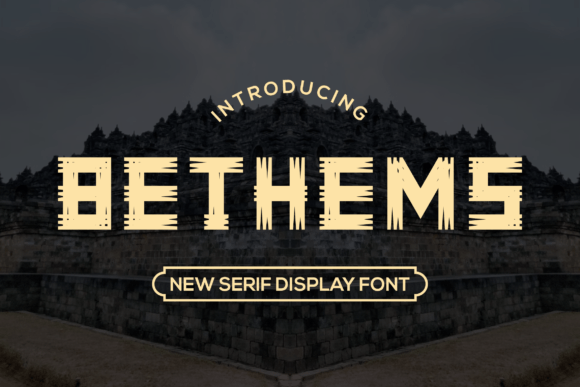
Bethems is a modern display typeface crafted to blend artistic flair with readability. Its standout features include exaggerated strokes, playful ligatures, and an overall sense of movement that makes it ideal for headlines, logos, posters, and other large-scale typographic applications. Unlike many display fonts that lean too heavily on ornamentation or eccentricity, Bethems maintains a balance between creativity and clarity, ensuring it remains legible at various sizes while still making a strong visual impact.
One of the most distinctive traits of Bethems is its versatility in tone. It can feel both fun and sophisticated depending on how it's used—perfect for brands looking to communicate a lighthearted vibe without sacrificing professionalism. The font’s open apertures and generous spacing also contribute to its approachability, making it more readable than similarly styled fonts with tighter letterforms.
Key Characteristics of Bethems
- Bold Weight: Bethems has a strong presence thanks to its thick, confident strokes that command attention.
- Whimsical Design: Subtle curves and flourishes give the font a touch of charm and originality.
- Quirky Personality: Each glyph feels handcrafted, adding a layer of individuality that sets it apart from more generic options.
- Display Focus: While not suited for body text, it excels in titles, banners, and short phrases where style matters most.
Comparing Bethems to Other Display Fonts
In the world of display typography, there are countless options, each with its own strengths and weaknesses. Bethems fits into this landscape by offering a middle ground between overly stylized scripts and rigid sans-serif designs. Here’s how it stacks up against similar styles:
Bethems vs. Script Fonts
Script fonts are known for their flowing, cursive-like appearance. While they offer elegance and a personal touch, they often struggle with legibility, especially in longer text or smaller sizes. Bethems avoids this pitfall by maintaining a level of simplicity in its structure while still appearing handwritten. If you’re seeking something more dynamic than a traditional script but don’t want to lose the human element, Bethems could be a better option.
Bethems vs. Decorative Fonts
Decorative fonts typically feature intricate details and high contrast, which can make them visually striking but sometimes impractical. Bethems offers a more balanced approach—it includes decorative elements like subtle serifs and ligatures, but these are designed to enhance rather than obscure the message. For projects requiring both style and clarity, Bethems provides a refreshing alternative to more ornate choices.
Bethems vs. Modern Sans-Serif Displays
Modern sans-serif display fonts are clean and minimalistic, often used in tech-focused or contemporary branding. Bethems differs by introducing a warmer, more organic feel. Where a sans-serif may look sleek and sterile, Bethems adds character and depth. This makes it particularly effective for creative industries such as fashion, entertainment, or lifestyle content where emotional resonance is key.
Strengths and Tradeoffs of Using Bethems
Choosing Bethems means embracing a font that is highly adaptable to creative contexts but not universally applicable. Understanding its strengths and tradeoffs helps determine whether it’s the right choice for your specific project.
Strengths
- High Visual Impact: The bold nature of Bethems ensures that it grabs attention immediately, making it excellent for headlines and brand names.
- Unique Style: With its quirky and whimsical design, Bethems helps differentiate a brand or design from competitors using standard fonts.
- Emotional Connection: The font’s playful yet refined aesthetic can evoke warmth, creativity, and approachability—ideal for content targeting younger audiences or those with a relaxed brand identity.
- Good for Print and Digital Media: Bethems performs well in both print and screen-based formats, though it’s best optimized for larger sizes.
Tradeoffs and Limitations
- Not Ideal for Long Text: As a display font, Bethems lacks the fine-tuned kerning and character spacing needed for extended reading material.
- May Clash with Certain Styles: Due to its bold and whimsical nature, it may not harmonize well with minimalist or ultra-modern design systems.
- Requires Complementary Fonts: To maintain typographic hierarchy, Bethems should be paired with a more neutral font for supporting text.
Best-Fit Situations for Bethems
Knowing when to use Bethems is just as important as understanding its design. Below are some scenarios where Bethems would perform exceptionally well:
- Branding and Logo Design: For startups or small businesses aiming to create a memorable identity, Bethems can serve as a compelling headline font. Its uniqueness supports brand differentiation and visual storytelling.
- Poster and Billboard Design: In environments where size and visibility are critical, Bethems’ bold weight and open letterforms ensure it remains legible and engaging from a distance.
- Event and Invitation Typography: Whether it’s for a music festival, wedding, or product launch, Bethems adds a festive and eye-catching quality that aligns well with celebratory themes.
- Editorial Titles and Headlines: In magazines, blogs, or newsletters, Bethems can be used sparingly for section headers or pull quotes to draw readers in without overwhelming the layout.
- Digital Presentations and Web Banners: On websites and slideshows, Bethems works well for hero sections and call-to-action buttons where it can guide the viewer’s attention effectively.
When to Consider Alternatives to Bethems
While Bethems is versatile, it’s not always the best choice. There are several situations where a different font might be more appropriate:
Projects Requiring Formality or Professionalism
If your project demands a serious or corporate tone, Bethems may come across as too playful. In such cases, a more structured serif or a clean sans-serif could be preferable. These fonts tend to convey trustworthiness and authority more effectively.
Long-Form Content
For articles, reports, or books, Bethems isn't suitable for body text. Even if it were scaled down, its design doesn’t support long reading sessions. Instead, opt for a readable base font and reserve Bethems for accents or headings only.
Crowded Layouts or Small Spaces
Because of its boldness and quirks, Bethems can appear cluttered in tight layouts or small text areas. In such instances, a simpler display font with less detail might work better to avoid overwhelming the reader.
Practical Examples of Bethems in Use
To illustrate how Bethems can be applied, consider the following real-world examples:
- Restaurant Branding: A local café uses Bethems in its logo and menu headers to reflect its cozy, artisanal vibe. The font’s whimsy complements hand-drawn illustrations and vintage-style photography.
- Festival Posters: A summer music festival incorporates Bethems in its main title and event highlights. The playful design matches the energetic theme and stands out against a colorful background.
- Wedding Invitations: A couple chooses Bethems for the primary title of their invitations, pairing it with a delicate serif for guest names and details. This contrast creates a visually appealing and thematic layout.
- Product Launch Landing Page: A new line of children’s clothing uses Bethems for the headline and key selling points. The font’s boldness and charm help reinforce the brand’s youthful and imaginative image.
How to Pair Bethems with Other Fonts
Using Bethems as a standalone font can lead to imbalance, especially in complex designs. Effective typography relies on contrast and harmony. Here are some practical pairing strategies:
- Contrast with Clean Serifs: Pairing Bethems with a classic serif like Georgia or Garamond introduces a refined counterpoint to its boldness.
- Balance with Geometric Sans-Serifs: Fonts like Montserrat or Raleway provide a sharp, modern complement that keeps the design from feeling too soft or informal.
- Play with Neons and Grunge Styles: In edgier contexts, Bethems can work alongside neon-inspired or grunge-style fonts to create a vibrant, eclectic look.
The goal is to let Bethems take center stage where it belongs—on headlines and key visuals—while relying on a secondary font for supporting content. This ensures that the design remains functional and cohesive.
Evaluating Your Typographic Needs
Before settling on Bethems, ask yourself a few key questions:
- Do I need a font that conveys playfulness or creativity?
- Will this font be used primarily in headlines or short text?
- Is the overall design direction compatible with a bold, quirky aesthetic?
- Can I pair it with another font to maintain balance and functionality?
Answering these questions will help clarify whether Bethems is the right fit. It’s also worth experimenting with it in mockups or prototypes to see how it interacts with colors, images, and other design elements before finalizing its use.
Conclusion
Bethems is a bold and whimsical display font that brings a fresh perspective to typographic design. Its unique blend of charm and strength makes it a valuable asset for projects where visual appeal is paramount. However, its limitations in terms of readability and formality mean it’s not a one-size-fits-all solution. By considering its strengths, tradeoffs, and compatibility with other design elements, you can decide if Bethems is the perfect choice to elevate your next creation.