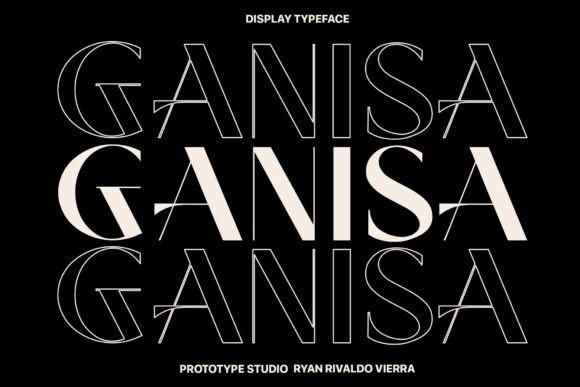
Ganisa: A Modern Contrast Display Typeface
Ganisa is a modern contrast display typeface that blends elegance with boldness. Designed for visual impact, it features strong strokes and refined details that make it ideal for use in fashion, magazines, logos and branding, social media content, and other artistic applications. Its versatility allows it to stand out in both digital and print formats while maintaining a clean, contemporary aesthetic.
Why Ganisa Matters to Different Audiences
The appeal of a typeface like Ganisa often depends on the context in which it's used. For some, it may be a tool for professional branding; for others, it could serve as an expressive element in creative design. The key lies in understanding how its characteristics align with your specific needs and goals.
For Designers and Creators
Creative professionals such as graphic designers, illustrators, and art directors are drawn to fonts like Ganisa because they offer unique styling options. The high contrast between thick and thin strokes gives designs a dynamic feel, especially when used in headings or titles. When designing a magazine cover, for example, Ganisa can help establish a strong visual hierarchy and draw attention to key elements.
Experienced users might appreciate the font’s subtle variations in weight and style, which allow for nuanced layering in layouts. Beginners, on the other hand, may find its bold presence easier to work with—especially if they're just learning how to pair fonts effectively or balance text within a composition.
For Brand Owners and Entrepreneurs
Entrepreneurs and brand owners often seek fonts that reflect their identity and resonate with their audience. Ganisa, with its confident structure and refined edges, is perfect for luxury brands or lifestyle companies aiming for a modern yet sophisticated look. It can be used in logo typography to convey strength and clarity, or in marketing materials to create a memorable first impression.
Consider a boutique clothing line launching a new collection. Using Ganisa in their packaging and website headers can instantly elevate the perceived quality of their products, helping them connect with a more upscale customer base.
For Bloggers and Marketers
Bloggers and marketers looking to enhance the readability and visual appeal of their content will find Ganisa useful for headlines and pull quotes. In social media posts or blog banners, it adds a touch of personality without overwhelming the message. This makes it a great choice for those who want their content to be noticed quickly in fast-scrolling feeds.
Its legibility at larger sizes also means that it works well for infographics and promotional graphics where clarity is essential. Whether you're crafting a compelling Instagram caption or designing a landing page, Ganisa can help your words pop in a way that feels intentional and stylish.
For Educators and Publishers
Educators and publishers may consider Ganisa for editorial projects, such as course materials, newsletters, or book covers. Its structured form supports academic or journalistic tones, making it suitable for educational institutions or publishing houses that want to maintain professionalism while still engaging readers visually.
A university brochure promoting a design program could benefit from using Ganisa in section headers, reinforcing the program’s emphasis on modern aesthetics and innovation. Similarly, a publisher might use it for a series of contemporary literature books to signal a fresh and artistic approach.
For Hobbyists and Consumers
Hobbyists, including DIY enthusiasts and personal bloggers, often explore fonts to express individuality. Ganisa offers an accessible option for those who want to add a designer-like touch to their projects without needing advanced typographic skills. Its clean lines and modern flair can transform simple crafts or home décor into something more visually striking.
Consumers browsing online stores or social platforms might not realize the role fonts play in shaping their perception—but they do. A product name styled in Ganisa can suggest exclusivity, creativity, or trendiness, influencing purchasing decisions subtly but effectively.
Priorities That Shape Font Choices
When selecting a typeface like Ganisa, different priorities come into play depending on the user:
- Quality and Aesthetic: Professionals and creators often prioritize high-quality visuals and consistent rendering across devices and print.
- Flexibility and Pairing: Those working on complex layouts need a font that pairs well with sans-serif or serif companions, and Ganisa fits this bill with its balanced contrast.
- Speed and Legibility: While Ganisa is best suited for display use rather than body text, it remains clear and readable in its intended applications, which is crucial for effective communication.
- Commercial Use and Licensing: Business owners and entrepreneurs must ensure any font they use has proper licensing for commercial applications. Ganisa is typically available through trusted font libraries that support business use.
- Long-Term Use and Trends: A font like Ganisa, with its modern design, can remain relevant for several years. Unlike overly trendy styles, it strikes a balance between current and timeless.
Practical Applications Across Industries
Let’s take a closer look at how various industries might leverage Ganisa:
- Fashion Industry: High-end fashion labels can use Ganisa in runway presentation slides or lookbook headers to create a bold, elegant statement.
- Magazines and Publications: As a display font, Ganisa can highlight feature stories or editorial sections, guiding readers’ eyes toward important content.
- Logos and Branding: Startups or established businesses in creative fields might choose Ganisa for their logos to communicate innovation and confidence.
- Social Media Content: Influencers or small businesses can apply Ganisa in Instagram carousels, Pinterest pins, or YouTube thumbnails to create a cohesive and eye-catching visual brand identity.
How to Know If Ganisa Is Right for You
If you're considering whether Ganisa is the right font for your project, ask yourself a few key questions:
- Do I need a font that commands attention in headlines or large text?
- Is my project or brand aligned with modern, minimalist, or fashion-forward aesthetics?
- Will the font be used primarily in digital formats, or does it also need to render well in print?
- Am I looking for a font that supports multiple languages or character sets?
If you answered “yes” to most of these, Ganisa could be a strong candidate. However, if your design requires a more traditional or monospaced appearance, you might want to explore alternatives.
Testing Ganisa in Your Workflow
Before committing to Ganisa, it's wise to test it in real-world scenarios. Here are a few practical steps:
- Download a trial version from a reputable font foundry and apply it to mockups of your intended use cases.
- Compare it side by side with similar fonts to see how it stacks up in terms of readability, style, and overall impact.
- Ask for feedback from colleagues or target audiences to gauge how well it communicates your message.
This process helps ensure that Ganisa isn't just visually appealing but also functionally appropriate for your needs.
Final Thoughts on Choosing the Right Display Font
Choosing the right display font is about aligning form with function. Ganisa stands out because it balances modernity with usability, making it a go-to choice for many creatives. But no single font fits every situation—what matters most is how well it serves your purpose and resonates with your audience.
As you move forward with your next design project, remember that the best font choices are those that support your message, reflect your brand, and engage your viewers. With thoughtful application, Ganisa can become a valuable part of your design toolkit—offering a blend of beauty and utility that enhances your work without overshadowing it.