Hey Boo: A Dramatic Halloween Font for Strategic October Projects
If you're looking to infuse a sense of fun and nostalgia into your October marketing, design, or creative projects, Hey Boo is a font that stands out with its spooky charm and retro flair. Designed specifically for Halloween-themed content, this stack display font offers more than just visual appeal—it can be a strategic tool when used thoughtfully. Whether you're creating promotional materials, event invitations, social media posts, or brand assets, Hey Boo can help you capture attention and evoke the right seasonal emotions.
Understanding Hey Boo’s Design and Purpose
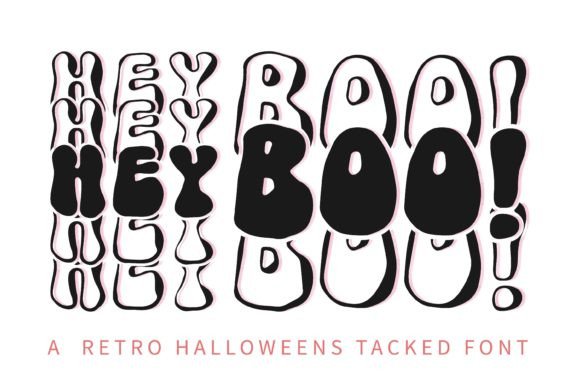
Hey Boo is not your typical Halloween font. While many fonts lean into jagged edges or overly ghoulish aesthetics, Hey Boo blends playful ghostly characters with a vintage typewriter feel. Its unique combination of bold outlines and soft curves gives it an instantly recognizable personality—whimsical yet dramatic. This makes it ideal for projects where you want to balance spookiness with approachability.
As a stack display font, Hey Boo works best in headlines, banners, posters, and other large-scale text applications. It’s crafted to draw the eye while maintaining readability at a distance. The retro aspect of the font also taps into a growing trend of nostalgic branding, which resonates particularly well with audiences seeking comfort and familiarity in their consumer experiences.
Strategic Use in Marketing and Branding
For marketers and entrepreneurs, timing is everything. October brings Halloween, but it also marks the beginning of the holiday shopping season. Using Hey Boo can help you stand out during these overlapping periods by signaling both fun and festivity. If your brand aligns with themes like entertainment, food, fashion, or retail, this font can enhance your seasonal positioning.
- Retailers can use Hey Boo in in-store signage or online banners for limited-time promotions around Halloween or Black Friday.
- Event organizers may find it effective for themed party invites or haunted house advertisements.
- Bloggers and publishers can incorporate it into post titles or section headers to make their October content pop visually.
The key is to use Hey Boo as part of a broader visual identity strategy rather than as a one-off gimmick. When paired with complementary colors, imagery, and tone, it can create a cohesive and memorable experience for your audience.
Aligning with Audience Expectations
October is a time when consumers are more receptive to thematic content. They expect creativity, humor, and a touch of the macabre—but not always fear or horror. Hey Boo allows you to meet these expectations without alienating more casual or family-oriented segments of your audience. Its whimsical nature supports lighthearted engagement while still feeling festive and on-brand.
Consider how your audience interacts with Halloween content. Are they likely to engage with something cute and quirky? Or do they prefer edgy, gothic styles? Hey Boo sits comfortably between these two extremes, making it versatile enough to adapt to different tones depending on how you pair it with supporting visuals and copy.
Use Cases Where Hey Boo Shines
There are several scenarios where incorporating Hey Boo can elevate your project:
- Social Media Campaigns: Create engaging Halloween posts with headlines that immediately grab attention. For instance, a cupcake shop might use Hey Boo in a post titled “Hey Boo! Get Your Spooky Sweets Here.”
- Email Marketing: Personalize subject lines or headers for seasonal newsletters. A greeting like “Hey Boo! Don’t Miss Our Fall Sale” adds warmth and excitement.
- Print Materials: From flyers to posters, Hey Boo can give your print work a dramatic edge. Try using it in event titles or product names for a bold look.
- Web Design Elements: Use it sparingly on landing pages or blog sections dedicated to Halloween content. It can add character to buttons, call-to-action phrases, or hero headings.
Each of these examples demonstrates how Hey Boo can serve as a functional asset rather than just a decorative element. By choosing the right context, you can ensure it enhances user experience rather than distracting from it.
Planning Tips for Effective Implementation
To get the most out of Hey Boo, consider the following planning strategies:
- Define the Tone: Will your message be humorous, mysterious, or celebratory? Adjust your supporting design elements accordingly to match the font’s vibe.
- Test Readability: Because Hey Boo has a distinctive style, test it across various platforms and screen sizes to ensure it remains legible.
- Balance with Simplicity: Avoid overusing the font. Let it shine in key spots and maintain a clean, professional look in body text or secondary elements.
- Build a Visual System: Pair Hey Boo with consistent color schemes, iconography, and layout structures to reinforce your brand’s aesthetic and message.
When Not to Use Hey Boo
While Hey Boo is a great choice for Halloween-related content, it’s important to recognize when it doesn’t fit. Overusing it outside of October or in non-seasonal contexts can confuse your audience and dilute your brand’s identity. Similarly, if your brand voice is serious or corporate, Hey Boo may clash with the intended tone.
Before relying on Hey Boo for a project, ask yourself:
- Does this font support the message I’m trying to communicate?
- Will it resonate with my target audience?
- Am I using it consistently across all touchpoints?
Answering these questions ensures that your use of Hey Boo is intentional and impactful rather than haphazard.
Risks of Random Use
One common mistake is using Hey Boo randomly without considering its role in the overall design or messaging strategy. This can lead to poor outcomes such as:
- Visual Clutter: Too much Hey Boo in a single design can overwhelm viewers and reduce the effectiveness of your message.
- Mismatched Branding: If your brand isn’t aligned with a spooky or nostalgic aesthetic, Hey Boo might not feel authentic and could even turn off potential customers.
- Inconsistent User Experience: In digital environments, inconsistent typography can harm usability and brand recognition.
By avoiding these pitfalls, you can harness the power of Hey Boo while maintaining professionalism and clarity.
Long-Term Value and Creativity
Fonts like Hey Boo aren’t just about short-term impact—they can contribute to long-term brand storytelling. If you’re building a seasonal campaign or expanding your creative toolkit, Hey Boo can become part of a recurring visual motif that strengthens your brand's association with fun, creativity, and community.
Creators and educators might also find value in Hey Boo for workshops, tutorials, or presentations about seasonal design. It provides a tangible example of how typography can influence mood and perception, offering practical insights for students or team members learning about visual communication.
Freelancers and small business owners should consider Hey Boo as part of their creative arsenal. With the right application, it can differentiate your work in a competitive market and help clients achieve better results through thoughtful design choices.
Intentional Typography for Better Outcomes
Typography is often overlooked in favor of content or imagery, but it plays a crucial role in shaping how your message is received. Hey Boo exemplifies how the right font can enhance storytelling and emotional connection. However, its success depends on how it’s integrated into the larger narrative of your project.
Here are some ways to use Hey Boo intentionally:
- Use it in key moments of high visual impact, such as launch announcements or promotional countdowns.
- Pair it with seasonal color palettes, like orange and black or purple and green, to amplify its effect.
- Let it guide the creative direction of your project, influencing choices in photography, illustration, or video editing.
Hey Boo in Operations and Customer Experience
Beyond marketing and design, Hey Boo can subtly shape customer experience. Think of how it appears in packaging, menus, or website navigation. A bakery selling Halloween-themed treats might use Hey Boo in their menu headers to create a sense of occasion and anticipation.
Similarly, small businesses hosting fall events can integrate Hey Boo into their ticket designs or signage to set the right atmosphere. These operational touches build consistency and trust, showing customers that every detail—from the logo to the font—is carefully considered.
Learning from Hey Boo’s Impact
Hey Boo encourages us to think critically about the role of typography in our work. It challenges the assumption that fonts must be purely functional. Instead, it shows how they can be expressive tools that align with your brand’s values and goals.
For professionals managing multiple projects, experimenting with Hey Boo can be a low-risk way to explore new creative directions. You don’t need to overhaul your entire design system; simply applying it in a few strategic places can yield noticeable improvements in engagement and recall.
Hey Boo as Part of a Larger Creative Ecosystem
Effective design is rarely about a single element. Hey Boo should be viewed as part of a larger ecosystem of tools and techniques that together support your objectives. This includes pairing it with appropriate imagery, sound effects, and written copy that all contribute to a unified theme.
For example, a YouTube creator producing a Halloween vlog could use Hey Boo in their title card while incorporating eerie music and autumn visuals. Each component reinforces the others, creating a more immersive and memorable experience for viewers.
This holistic approach helps ensure that Hey Boo doesn’t just look good—it feels right. And when your audience feels the intent behind your design choices, they’re more likely to respond positively and share your content.
Decision-Making Guidance for Creators and Marketers
When deciding whether to use Hey Boo, focus on three key factors:
- Relevance: Does Hey Boo align with the purpose and theme of your project?
- Clarity: Will it help your audience understand your message quickly and clearly?
- Consistency: Can it be used alongside your existing design language without causing friction?
These questions help shift your perspective from what looks cool to what works strategically. Remember, the goal of any design decision is to support your audience’s journey—not just to impress them with novelty.
Conclusion: Embrace Hey Boo with Strategy
Hey Boo is more than a Halloween font—it’s a design choice that reflects intentionality and understanding of your audience. When used with care and consideration, it can boost your October projects’ visibility, engagement, and memorability. But like any tool, its effectiveness depends on how it’s applied.
Whether you're a marketer aiming to drive sales, a designer crafting a themed event, or a blogger sharing seasonal stories, Hey Boo offers a unique opportunity to connect with your audience in a meaningful way. Just remember to use it strategically, not just stylistically. That’s how you turn a font into a powerful asset for your business or project.