Smooth Dance: A Versatile Display Font for Modern Design
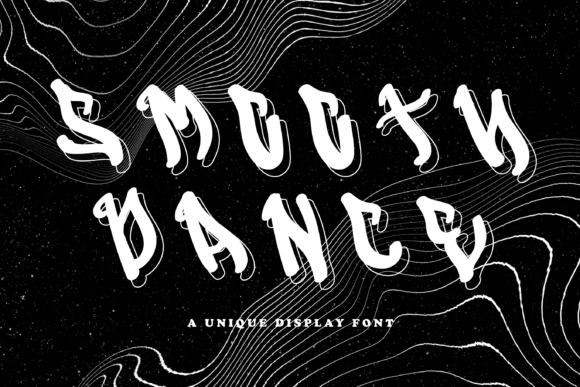
In the ever-evolving world of design and typography, choosing the right font can make all the difference in how your message is perceived. One such standout is Smooth Dance, a cool, modern, and fun display font that adds a unique flair to any project. Whether you're creating digital content, branding materials, or printed designs, Smooth Dance has the potential to enhance your work and leave a lasting impression on your audience.
What Makes Smooth Dance Unique?
Smooth Dance is more than just another typeface—it's an expressive tool that combines elegance with playfulness. Designed primarily for display purposes, this font excels at grabbing attention while maintaining readability when used appropriately. Its smooth curves and dynamic structure give it a contemporary feel, making it ideal for projects where style and personality are key.
Unlike standard fonts like Arial or Times New Roman, which are best suited for body text due to their high legibility, Smooth Dance is meant to be used in headlines, logos, posters, and other visual elements where impact matters most. It’s not a font you want to use for long paragraphs, but rather for bold statements and eye-catching titles.
Key Features of Smooth Dance
- Modern Aesthetic: The sleek lines and fluid shapes of Smooth Dance reflect current design trends, giving your work a fresh and stylish look.
- Fun and Expressive: With its slightly whimsical character, this font brings a sense of joy and creativity to your designs.
- High Contrast: The strong contrast between thick and thin strokes helps the font stand out and makes it highly adaptable for various color schemes and backgrounds.
- Unicode Support: Smooth Dance supports a wide range of characters, including punctuation, numbers, and special symbols, allowing for greater flexibility in design applications.
- Cross-Platform Compatibility: This font works well across both print and digital media, ensuring consistent appearance whether viewed on a screen or in physical form.
The Purpose and Significance of Display Fonts Like Smooth Dance
Display fonts serve a specific purpose in the design landscape—they’re used to highlight important information and create a visual hierarchy. In branding, for instance, a unique display font can become synonymous with a company’s identity. Think of iconic brands like Coca-Cola or Google, whose logos rely heavily on distinctive typography to reinforce brand recognition.
Smooth Dance, with its clean yet artistic style, is perfect for designers who want to convey a modern, youthful, or trendy vibe. It’s especially popular among those working in fashion, entertainment, lifestyle, and digital marketing industries. The font doesn’t just communicate words; it communicates emotion and tone, helping you connect with your audience on a deeper level.
Why Use Smooth Dance in Your Projects?
- Enhances Visual Appeal: The aesthetic qualities of Smooth Dance help elevate the overall look of your design. When used correctly, it can turn a simple headline into a compelling visual statement.
- Boosts Brand Identity: For businesses looking to establish a memorable brand image, using a unique display font like Smooth Dance can set them apart from competitors.
- Encourages Creativity: Working with display fonts allows designers to explore new styles and techniques. Smooth Dance offers endless possibilities for creative expression, from social media graphics to editorial layouts.
- Supports Multilingual Content: Thanks to its extensive language support, Smooth Dance is suitable for international projects, making it a valuable asset for global communication efforts.
- Easy to Customize: Many versions of Smooth Dance come with alternate characters, ligatures, and stylistic sets, enabling users to tailor the font to their specific needs.
Practical Applications of Smooth Dance
Now that we understand what Smooth Dance is and why it matters, let’s explore some real-world uses where this font shines:
1. Branding and Logo Design
A logo is often the first point of contact between a brand and its audience. Using Smooth Dance in a logo design can add a touch of sophistication and modernity. For example, a boutique clothing store aiming to appeal to young adults might use Smooth Dance for its storefront signage and website headers to evoke a sense of trendiness and approachability.
2. Social Media Graphics
With platforms like Instagram, Facebook, and Pinterest favoring visually appealing content, having a unique font like Smooth Dance can make your posts pop. It’s particularly effective for quote graphics, promotional banners, and event announcements where the goal is to capture attention quickly.
3. Editorial and Magazine Layouts
Magazines and online publications often use display fonts for section headings, pull quotes, and feature titles. Smooth Dance could be used in a wellness magazine to introduce a new article on mindfulness, adding a calm and elegant touch that complements the theme.
4. Web and Mobile App Interfaces
In user interface (UI) design, display fonts are commonly used for buttons, navigation menus, and call-to-action sections. While not suitable for large blocks of text, Smooth Dance can be applied to key UI elements to create a cohesive and stylish design language.
5. Print Materials
From posters to brochures, Smooth Dance can breathe life into print designs. Its versatility ensures it looks great whether you’re printing in black and white or using vibrant colors. A music festival poster, for instance, might use Smooth Dance for the main title to convey energy and excitement.
How Smooth Dance Fits Into Modern Life and Work
In today’s fast-paced digital environment, visual content is king. People scroll through thousands of images and texts every day, so standing out is essential. Smooth Dance helps creators do just that by offering a visually striking alternative to generic sans-serif or serif fonts.
For small business owners, graphic designers, and content creators, using a font like Smooth Dance can be part of a broader strategy to build a strong visual identity. It plays a role in everything from packaging design to website headers, influencing how customers perceive a brand’s values and personality.
In education, teachers and students can benefit from using Smooth Dance in presentations, infographics, and learning materials. It can be used creatively in slide titles or chapter headings to engage learners and make educational content more visually stimulating.
Technology and Typography
With the rise of web technologies and design software, typography has become more accessible and powerful. Tools like Adobe Photoshop, Illustrator, and online platforms like Canva allow users to easily integrate display fonts like Smooth Dance into their projects. These tools also offer options to adjust spacing, weight, and color, making it easier to customize the font to fit different contexts.
Moreover, web-safe alternatives and font embedding services ensure that even if a viewer doesn't have Smooth Dance installed locally, they can still see it rendered properly online. This means you can confidently use it in digital campaigns without worrying about compatibility issues.
Common Misconceptions About Display Fonts
Despite their popularity, display fonts like Smooth Dance are sometimes misunderstood. Here are a few common misconceptions and clarifications:
- “Display fonts are only for big letters.” While they are typically used for larger text sizes, many display fonts include smaller-scale variations or companion fonts for supporting text. Always check the font family for additional styles.
- “They’re too fancy for professional settings.” Not necessarily. When used thoughtfully, display fonts can add a professional yet creative edge to marketing materials, invitations, and other branded content.
- “Display fonts don’t work on mobile devices.” As long as the font is optimized for digital use and properly embedded, it should render well on all devices, including smartphones and tablets.
- “Only designers need to worry about fonts.” On the contrary, anyone involved in content creation—from bloggers to entrepreneurs—can benefit from understanding how to choose and apply the right font for the right message.
Getting Started with Smooth Dance
If you're new to using display fonts, here are some tips to help you get started with Smooth Dance:
- Use Sparingly: Reserve Smooth Dance for headlines, logos, or short phrases. Avoid using it for lengthy paragraphs where readability is crucial.
- Pair Thoughtfully: Combine it with a more traditional font for body text to maintain balance and clarity. For example, pair it with Helvetica or Lato for a clean, modern look.
- Experiment with Color and Effects: Don’t be afraid to try different color combinations or subtle effects like drop shadows, outlines, or gradients to enhance the font’s visual impact.
- Check Licensing: Before using Smooth Dance commercially, verify the font’s licensing agreement to ensure it’s appropriate for your intended use. Some fonts require payment for commercial rights.
- Stay Consistent: Once you’ve chosen Smooth Dance for a particular project, stick with it throughout to maintain a cohesive design. Too many fonts can confuse the reader and dilute your brand message.
Conclusion: Elevate Your Designs with Smooth Dance
In summary, Smooth Dance is a versatile and stylish display font that can significantly enhance the visual appeal of your creations. Whether you're designing for business, personal use, or creative projects, this font offers a modern, engaging way to present your message. Its combination of elegance and fun makes it a go-to choice for many professionals in the design industry.
By understanding the purpose and proper usage of display fonts, you can unlock new levels of creativity and professionalism in your work. So, if you haven’t already added Smooth Dance to your font library, now might be the perfect time to explore its potential and see how it can transform your next project.
Ready to bring your designs to life? Start experimenting with Smooth Dance today and discover how this font can help you stand out in a crowded visual landscape.