White Chocolate: A Versatile Display Font for Creative Projects
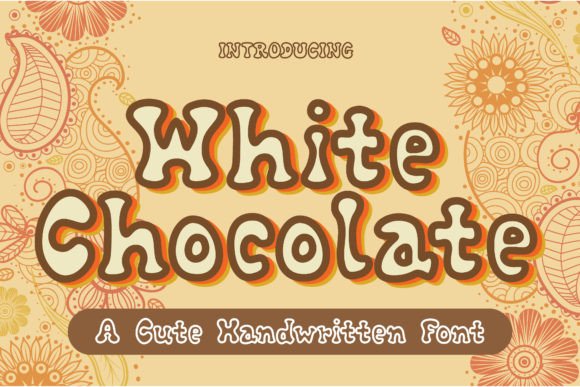
Fonts are more than just letters on a screen—they shape the tone, personality, and visual appeal of your designs. Choosing the right typeface can elevate a project from ordinary to extraordinary, making it stand out in a crowded digital landscape. Enter White Chocolate, a cute retro handwritten display font that blends charm with functionality. Whether you're designing branding materials, social media graphics, or editorial layouts, White Chocolate offers a unique aesthetic that feels both nostalgic and modern.
The Charm of Handwritten Fonts in Modern Design
In an age where sleek sans-serif fonts dominate the web, handwritten styles like White Chocolate bring warmth and character. These fonts mimic the organic flow of human writing, adding a personal touch that rigid typefaces often lack. For professionals in creative fields, such as graphic design, marketing, or content creation, this kind of font can make a big difference in how audiences perceive their work.
White Chocolate, in particular, stands out due to its clean strokes and subtle imperfections. It’s not overly ornate, yet it exudes a sense of authenticity that resonates well with many design applications. The font’s retro vibe gives it a timeless feel, while its cuteness makes it approachable and friendly—ideal for brands aiming to connect emotionally with their audience.
When to Use White Chocolate in Your Work
Handwritten fonts are typically best suited for short-form text rather than large blocks of body copy. However, White Chocolate is designed with versatility in mind. Here are some scenarios where it shines:
- Branding and Logos: Its distinctive style adds memorability to logos, especially for lifestyle, food, or fashion brands looking to convey a cozy or vintage aesthetic.
- Social Media Content: Captions, quotes, and headers using White Chocolate can grab attention quickly and create a cohesive visual identity across platforms.
- Invitations and Stationery: From wedding invitations to birthday cards, White Chocolate brings a handcrafted feel that feels more intimate and less commercial.
- Editorial Design: In magazines, blogs, or newsletters, the font works well for pull quotes, titles, and callouts to break up dense text and add visual interest.
- Packaging and Labels: For product packaging that needs a soft, artisanal look, White Chocolate can help communicate quality and care without being too fussy.
Why Professionals Choose White Chocolate
Graphic designers and marketers often seek fonts that balance creativity with clarity. White Chocolate checks both boxes by offering a clear legibility while maintaining a playful and artistic flair. This makes it particularly useful for projects that require a blend of professionalism and personality.
For instance, a small business owner launching a handmade soap line might use White Chocolate in their packaging to evoke a sense of craftsmanship and natural ingredients. The font doesn’t overwhelm but instead complements the imagery and color palette, helping to reinforce the brand’s values through typography alone.
Similarly, educators creating interactive learning materials or infographics could benefit from using White Chocolate to highlight key points or headings. Its readability ensures that even those with visual impairments can engage with the content comfortably, while its aesthetic keeps students visually engaged.
Enhancing Communication Through Typography
Good typography enhances communication by guiding the reader's eye and reinforcing the message. White Chocolate, with its soft curves and balanced proportions, supports effective visual storytelling. When used strategically, it helps emphasize important information and creates emotional connections with the viewer.
Consider a blogger who wants to share a personal story about growing up in the 80s. By incorporating White Chocolate into their header and subheadings, they immediately set a nostalgic tone that aligns with the theme of their post. This subtle choice can influence how readers interpret the content, enhancing engagement and retention.
How White Chocolate Supports Creativity and Efficiency
One of the biggest challenges for creators is finding tools that inspire innovation without slowing down workflow. White Chocolate simplifies this by offering a font that’s both expressive and easy to implement. With its clean lines and consistent spacing, it reduces the need for excessive kerning or tracking adjustments, saving time during the design process.
Moreover, the font includes multiple stylistic variations, allowing users to tweak the look without switching typefaces. This flexibility means designers can experiment with different weights or ligatures to match the mood of their project—whether it’s whimsical, elegant, or casual—without compromising on brand consistency.
Real-World Applications That Stand Out
Let’s look at a few real-world examples of how White Chocolate has been effectively used:
- Marketing Campaigns: A boutique coffee shop used White Chocolate in their seasonal ad campaign. The font paired beautifully with warm earth tones and hand-drawn illustrations, creating a welcoming and trustworthy impression.
- Event Promotion: An independent music festival utilized White Chocolate for their event posters and tickets. The retro handwriting gave the event a community-driven, authentic feel that aligned with their local roots.
- Website Headers: A wellness blog incorporated White Chocolate into their hero section headlines. The font’s softness contrasted nicely with minimalist backgrounds, making the content feel more inviting and less formal.
Who Can Benefit Most from Using White Chocolate?
While anyone can appreciate the beauty of White Chocolate, certain professions and industries may find it especially valuable:
- Graphic Designers: Those working on client projects that demand a warm, personalized touch will love the way White Chocolate adapts to various themes and styles.
- Content Creators: Bloggers, YouTubers, and Instagrammers can use White Chocolate to craft captions and titles that feel genuine and engaging.
- Small Business Owners: Entrepreneurs in niche markets like food, fashion, or lifestyle can leverage the font to build a brand identity that feels authentic and relatable.
- Marketers: For campaigns targeting younger or more sentimental demographics, White Chocolate provides a visual cue that encourages connection and trust.
- Freelancers and Hobbyists: Independent creatives often have limited resources, so having a font that’s both stylish and practical can streamline their design choices and improve output quality.
Limitations and Considerations
Although White Chocolate is incredibly versatile, it’s important to understand when it might not be the best fit. Like most handwritten fonts, it’s not ideal for long paragraphs or data-heavy documents. In these cases, pairing it with a more structured sans-serif or serif font for body text would maintain readability while still using White Chocolate for emphasis.
Additionally, because it’s a display font, it should generally be reserved for headlines, titles, and accents rather than full sentences. Always consider the context and purpose of your design before choosing a typeface. If legibility is paramount, a simpler font might be better, but if you’re aiming for a memorable and emotive impact, White Chocolate is a strong contender.
Integrating White Chocolate Into Your Workflow
Using White Chocolate effectively starts with understanding its strengths. Here are a few tips for integrating it into your design projects:
- Use it sparingly to avoid overwhelming the viewer. Apply it to headers, pull quotes, or other focal points.
- Pair it with neutral, clean fonts for body text to maintain a professional look.
- Experiment with colors that complement its soft nature, such as pastels or muted tones.
- Consider adding subtle textures or shadows to enhance its hand-drawn appearance in print or digital formats.
These strategies ensure that White Chocolate remains a highlight rather than a hindrance, contributing to the overall harmony of your design.
Aesthetic Flexibility for Diverse Projects
One of the standout features of White Chocolate is its ability to adapt to different aesthetics. It works equally well in vintage-inspired layouts as it does in contemporary minimalism. This adaptability makes it a go-to font for freelancers and agencies that handle a wide range of clients and styles.
For example, a freelance designer working on a client’s retro-themed restaurant menu might use White Chocolate alongside distressed textures and sepia-toned photography. On another project for a modern skincare brand, the same font could be styled with soft gradients and rounded corners to maintain a fresh yet personable feel.
Conclusion: Embrace the Warmth of White Chocolate
In the world of design, the right font can transform a concept into something memorable. White Chocolate isn’t just another pretty typeface—it’s a tool that supports creativity, strengthens communication, and enhances the emotional impact of your work. Whether you're crafting a logo, designing a website, or putting together a presentation, this font brings a unique combination of nostalgia and modernity that can resonate deeply with your audience.
By understanding its limitations and knowing when to apply it, you can unlock its full potential and take your designs to the next level. So why not give White Chocolate a try in your next project? Explore its endless variations and discover how it can help you express your ideas with both clarity and charm.