Block Pixel: A Nostalgic Font with a Glitchy Edge
Fonts are more than just letters—they're the visual heartbeat of your design. When you're looking for something that feels like it was crafted on an old computer screen, Block Pixel delivers in spades. This rough retro display font brings a handmade, nostalgic feel to any project while also offering a distorted, trendy twist that’s perfect for standing out in today’s digital landscape.
The Personality and Style of Block Pixel
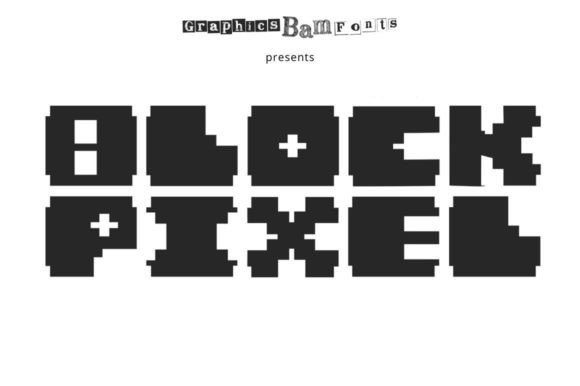
Block Pixel is a premium font designed to evoke the charm of early digital graphics and pixel art. Its blocky structure mimics the look of low-resolution displays from the 80s and 90s, but with intentional imperfections that give it a human touch. Each character feels slightly off-kilter, as if it were drawn by hand or glitched mid-render—a quality that makes it both whimsical and edgy.
This handwritten font isn’t meant for long passages of text, but rather for bold statements, logos, headers, and other design elements where personality matters most. It’s not a sans serif or serif font in the traditional sense; instead, it leans into its unique identity as a creative typeface with a retro soul. The contrast between sharp angles and soft distortions adds depth and character, making it ideal for projects that want to feel authentic and vintage without being cheesy.
Why Designers Love It
Many designers choose Block Pixel because it’s versatile yet distinctive. Whether you’re aiming for a glitched-up aesthetic, a retro vibe, or a modern twist on classic pixel art, this font can adapt. It’s especially popular in logo design and editorial layouts, where it helps create a memorable first impression.
Its irregular spacing and jagged edges make it stand out against smoother, more conventional fonts. In fact, when paired correctly—like with a clean sans serif—it can add dramatic contrast and enhance visual hierarchy. Think of it as the punk rock of typography: loud, proud, and full of character.
Where Block Pixel Works Best
Block Pixel thrives in environments where retro meets modern. Here are some of the best places to use it:
- Logo Design: For brands that embrace a nostalgic or indie style, Block Pixel offers a strong visual anchor. It works especially well for tech startups with a vintage flair or creative studios focused on gaming or digital art.
- Editorial Design: Use it for headlines in magazines, zines, or blogs that lean into a retro theme. The font adds a quirky edge that complements photos or illustrations with similar aesthetics.
- Packaging Design: If you're designing product labels or packaging for a brand with a story, Block Pixel can help tell it. Its rough texture suggests authenticity and craftsmanship, which are powerful cues in branding.
- Social Media Graphics: The font’s high contrast and unique shape make it pop on platforms like Instagram, Twitter, and Pinterest. It's particularly effective for posts targeting younger audiences who appreciate retro and glitch styles.
- Web Design: While not suited for body copy, it can be used effectively for buttons, call-to-action sections, or headings to add a retro digital feel. Just ensure there’s enough padding and white space around the text to maintain legibility.
Real-World Examples
Imagine using Block Pixel for a music festival poster. The name of the event could be styled in this font, surrounded by pixelated backgrounds or glitch effects. The result? A design that screams energy, creativity, and nostalgia all at once.
Or picture a coffee shop that markets itself as a “retro haven.” Their logo could feature Block Pixel alongside a warm, earthy script font. The combination tells a story of innovation rooted in tradition, which can resonate deeply with customers seeking something different.
Design Considerations and Best Practices
While Block Pixel is visually striking, it’s important to understand how it affects readability and brand perception. Because it’s a display font, it’s best used sparingly and at larger sizes. Overusing it can lead to a cluttered look and reduce clarity.
- Evaluate Project Fit: Before choosing Block Pixel, ask yourself whether your audience will connect with its style. Will it complement your brand identity, or clash with it?
- Test Font Pairings: Try pairing it with minimalist sans serifs like Helvetica or Open Sans. These combinations often highlight the uniqueness of Block Pixel while keeping the rest of the design grounded.
- Review Included Styles: Many premium fonts include multiple weights or variations. Check what comes with your purchase—some versions might offer subtle tweaks that enhance usability or mood.
- Consider Readability: Avoid using it in small sizes or for dense paragraphs. Keep it simple and impactful where it counts.
- Understand Licensing: As a commercial font, always verify the licensing terms before using it in client work or public-facing projects. You don’t want to run into legal issues down the line.
Creating Visual Hierarchy with Block Pixel
In web design or print materials, visual hierarchy is key. Block Pixel’s bold presence naturally draws attention, so it should be reserved for primary headings or focal points. Secondary text should use a more readable font to avoid overwhelming the viewer and to maintain professionalism.
For example, in a blog post about retro video games, you might use Block Pixel for the title and subheadings, then switch to a clean sans serif for the body. This creates a clear distinction between content layers and keeps the reader engaged without confusion.
How to Choose the Right Projects for Block Pixel
Choosing the right typeface can make or break a design. Block Pixel is not for every project, but it excels in the following scenarios:
- Brands that want to emphasize a handmade or artisanal approach.
- Projects with a strong focus on digital culture, gaming, or retro aesthetics.
- Marketing campaigns that need to stand out quickly and memorably.
- Personal portfolios or creative resumes where style reflects personality.
- Printed items like t-shirts, posters, or stickers where visual impact is crucial.
If you're working on a luxury brand or a formal report, this font probably won't fit. But for anything that needs to feel bold, playful, or a bit rebellious, Block Pixel could be the perfect choice.
Practical Tips for Using Block Pixel Effectively
To get the most out of Block Pixel, consider these tips:
- Use it in High Contrast: Pair it with dark or light backgrounds to maximize visibility and emotional impact.
- Add Texture: Layering it with scanlines, halftones, or paper textures can amplify its retro appeal and give your designs a tactile feel.
- Limit Line Length: Since it’s a display font, keep lines short. Long sentences in Block Pixel can become difficult to read and lose their punch.
- Experiment with Kerning: The font’s irregular shapes mean that spacing may need manual adjustment for optimal balance and flow.
- Don’t Forget Brand Consistency: Even though it’s a standout font, it should still align with your overall brand identity. Ensure it fits with your color palette, imagery, and tone of voice.
Block Pixel and Audience Engagement
Typography has a surprising amount of influence on how people perceive and interact with your content. Block Pixel can trigger a sense of nostalgia or curiosity, depending on the context. This emotional response can boost engagement, especially in marketing or social media settings.
For instance, a YouTube channel promoting 8-bit game reviews would instantly gain credibility and charm by using Block Pixel in its title and thumbnails. Viewers would recognize the style immediately, creating a stronger connection and encouraging clicks.
Similarly, in packaging design, a product with Block Pixel on its label might appear more unique or limited edition, prompting consumers to take a second look and perhaps even share it online.
A Word on Commercial Licensing
One thing to remember when selecting Block Pixel is its licensing model. Most commercial fonts require a license for business use, and some charge based on the number of users or platforms. Always check the fine print to ensure you're compliant, especially if you're planning to use it in client work or for-profit ventures.
Licensing also affects scalability. If you're launching a product line or preparing for mass distribution, confirm that the font supports extended usage. Some design assets come with web embedding options, which are essential for digital storefronts or websites.
Final Thoughts on Typographic Impact
Block Pixel isn’t just another creative font—it’s a tool for storytelling. When used thoughtfully, it can transform a simple message into a visual experience. It bridges the gap between past and present, giving your work a timeless yet contemporary feel.
Whether you're a designer, marketer, blogger, or small business owner, Block Pixel offers a fresh way to communicate your brand’s identity. Just remember to use it strategically and pair it with complementary fonts to maintain balance and readability.
So next time you're hunting for a font that brings a little distortion and a lot of character, think outside the box—or maybe inside a pixel grid—and reach for Block Pixel.