Qhawy: A Handwritten Display Font with a Natural, Botanical Flair
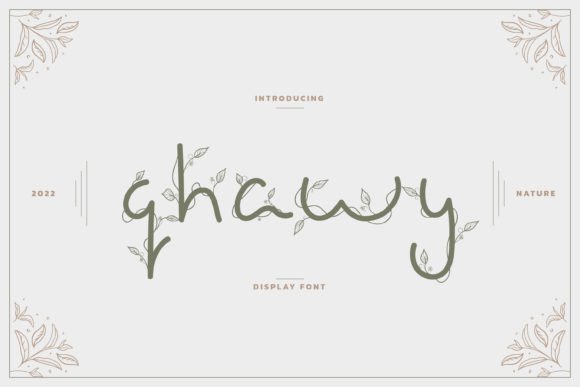
If you're looking to give your design projects an earthy, organic feel, Qhawy might just be the perfect font for you. As a unique and incredibly cool handwritten display font, it brings natural and botanical elements into the digital world in a way that feels both authentic and stylish. Whether you’re designing a brand logo, creating content for a blog, or crafting marketing materials, Qhawy can help elevate your visuals by adding a touch of nature-inspired charm.
Why Choose Qhawy?
Handwritten fonts have become increasingly popular across various industries because they offer a personal, humanized aesthetic. However, not all handwritten fonts are created equal. Qhawy stands out due to its deliberate integration of natural motifs — subtle curves, leaf-like strokes, and an overall fluidity that mimics growth patterns found in plants and trees. This makes it ideal for eco-conscious brands, wellness-focused businesses, lifestyle blogs, or any project aiming to evoke a sense of warmth and authenticity.
Designers often choose Qhawy for its versatility. While it's bold and expressive enough to serve as a headline, it also retains readability when used in short bursts of text. Its organic look doesn’t clash with modern layouts but instead complements them, offering a refreshing contrast to clean sans-serif or rigid serif fonts.
Common Misconceptions About Qhawy
One common mistake is assuming that Qhawy is only suitable for very niche markets. While it does pair beautifully with nature-related themes, it can also enhance creative branding in other areas. For instance, food bloggers, travel influencers, or even educational platforms focused on sustainability may find Qhawy adds a welcoming and approachable tone to their work.
Another misconception is that handwritten fonts like Qhawy are too difficult to read. In reality, many display fonts today are designed with legibility in mind, especially when used appropriately. Qhawy’s creators have taken care to ensure clarity in each character while maintaining its artistic essence. Just like choosing the right color palette or layout, selecting the correct type size and spacing is key to making it work well in your design.
Pitfalls to Avoid When Using Qhawy
Using Qhawy effectively means understanding how to avoid some frequent pitfalls:
- Overuse in body text: Qhawy is best suited for headlines, titles, and short phrases. Using it for large blocks of text can strain readability and dilute your message.
- Mismatched pairing: Pairing Qhawy with another handwritten or overly decorative font can create visual clutter. Instead, try balancing it with a minimalist sans-serif or a classic serif font to maintain harmony in your design.
- Ignoring licensing terms: Many users overlook the importance of checking the font's license before downloading or using it. Make sure Qhawy is appropriate for your intended use — commercial or non-commercial — to avoid legal complications later on.
How These Mistakes Impact Your Design
When Qhawy is overused in long paragraphs, readers may struggle to follow the text, leading to a poor user experience. Similarly, if paired incorrectly, it can make your design feel unprofessional or disjointed. And failing to check licensing? That could lead to costly rebranding efforts or even cease-and-desist letters down the line.
These issues don't just affect aesthetics — they impact communication, brand perception, and ultimately, the success of your project. Choosing the right tools, including fonts, is part of building trust with your audience and ensuring your message is delivered clearly and effectively.
Best Practices for Working with Qhawy
To get the most out of Qhawy, start by using it sparingly and strategically. Here are some practical tips:
- Use it for emphasis: Reserve Qhawy for headlines, taglines, or call-to-action buttons where it can shine without overwhelming the rest of your content.
- Pair it with simplicity: Match it with a neutral supporting font to keep the focus on your message. Think of it like styling a room — you wouldn’t want every element to be bold; balance is everything.
- Test at different sizes: Before finalizing a design, test how Qhawy looks at various sizes. Sometimes a font that looks great on a desktop screen becomes hard to read on mobile devices.
- Check compatibility: Ensure that Qhawy works well across all platforms and browsers. Some handwritten fonts may render differently depending on the device or operating system.
Real-World Examples of Qhawy in Use
Imagine a wellness blog promoting yoga and plant-based living. A title like “Find Your Roots” in Qhawy immediately connects with the theme through its botanical undertones. The same applies to a small business selling handmade candles or soaps. A product label styled with Qhawy could convey craftsmanship and a connection to nature more powerfully than any description.
For marketers, using Qhawy in social media posts or email headers can add a layer of personality and uniqueness. It helps your brand stand out in a sea of generic fonts, which is especially valuable in crowded niches like lifestyle, fashion, or health and beauty.
What to Consider Before Downloading or Purchasing Qhawy
Before committing to using Qhawy in your next project, take a moment to evaluate whether it aligns with your goals and needs. Ask yourself these questions:
- Does this font reflect the tone and values of my brand?
- Will it remain legible in the context of my design?
- Do I understand the licensing agreement for commercial vs. personal use?
- Is there a need for additional weights or styles (bold, italic, etc.)?
Also consider the technical side. Will it integrate smoothly with your design software or website builder? If you're using it online, does it support web font embedding? These details matter, especially when working under tight deadlines or with clients who expect polished results.
Avoiding Costly Mistakes
Many people download free versions of fonts without realizing they may not be permitted for commercial use. Always double-check the source and licensing options. If you're investing in a paid version of Qhawy, ensure that it includes the necessary glyphs and special characters for your specific language or design needs. Missing symbols can disrupt your workflow and require last-minute fixes that cost time and money.
Getting Started with Qhawy: A Balanced Approach
Once you've decided that Qhawy is the right choice for your project, take a step-by-step approach to integrating it:
- Download or purchase the font from a trusted provider to ensure quality and legitimacy.
- Install it on your computer or upload it to your design platform.
- Experiment with different sizes, colors, and backgrounds to see what combinations work best.
- Review your designs on multiple devices to confirm cross-platform consistency.
- Seek feedback from colleagues or target users to gauge its effectiveness.
This careful process will help you avoid missteps and ensure your final product looks professional and visually appealing. Remember, the goal isn’t just to use a trendy font — it’s to communicate effectively and build a strong visual identity.
When Not to Use Qhawy
While Qhawy has many strengths, it’s not always the best option. Avoid using it in the following scenarios:
- Projects requiring high readability (e.g., long-form articles or reports).
- Brands with a formal or corporate image.
- Contexts where a more traditional font is expected, such as legal documents or academic papers.
Recognizing when a font is inappropriate is just as important as knowing when to use it. By being selective, you’ll preserve the professionalism and clarity of your work while still enjoying the benefits of a unique typographic choice.
Conclusion: Making Informed Typographic Choices
Choosing a font like Qhawy is more than just picking something that looks good — it's about enhancing your message and aligning your design with your brand's voice. With its natural and botanical elements, Qhawy offers a fresh alternative to standard typography, allowing you to connect with audiences in a more personal and engaging way.
By avoiding common mistakes, testing thoroughly, and applying it thoughtfully, you can unlock the full potential of Qhawy. Keep your designs balanced, your choices informed, and your audience engaged with the right mix of creativity and practicality.