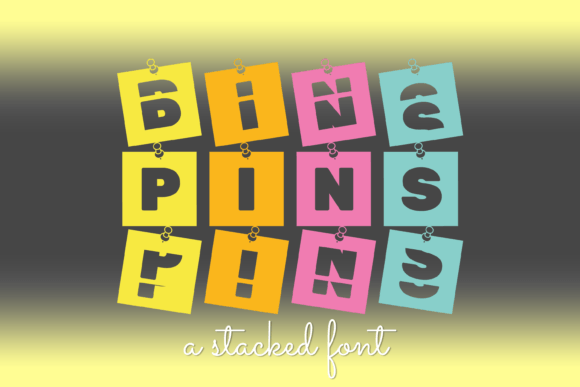
Pins: The Display Font That Adds Flair to Your Designs
If you're looking for a font that brings character and charm to your visual projects, Pins is an excellent choice. As a display font, it’s designed to stand out—perfect for headlines, logos, posters, and other creative elements where style matters most. With its elegant curves and distinctive personality, Pins adds a touch of sophistication and eye-catching appeal to just about any design.
Why People Love Using Pins
Display fonts like Pins are more than just decorative—they’re functional tools that help communicate tone and emotion. Whether you're designing a wedding invitation, a branding package for a boutique, or a social media graphic for a blog post, the right typeface can make all the difference. Pins has gained popularity because of its versatility in both digital and print formats, making it suitable for a wide range of applications:
- Custom designs for personal or business use
- DIY crafts and handmade greeting cards
- Website headers and mobile app interfaces
- Event signage and promotional materials
Its readability at larger sizes ensures that your message stays clear while still being visually engaging. Many designers appreciate how Pins can elevate the look of their work without overwhelming the content.
Common Mistakes When Choosing and Using Pins
Despite its popularity, many users fall into traps when selecting or applying this font. Here are some frequent errors—and how to avoid them—to get the best results from Pins:
1. Misjudging Its Readability in Small Sizes
Pins is not ideal for body text. Like most display fonts, it’s crafted with artistic intent rather than legibility in mind for smaller sizes. If you try using it for long paragraphs or detailed copy, your audience may struggle to read it.
Better Approach: Reserve Pins for headlines, titles, and short bursts of text. Pair it with a clean, readable sans-serif or serif font for the rest of your content.2. Ignoring Kerning and Spacing Issues
Because of its ornate nature, spacing between characters (kerning) in Pins can sometimes appear uneven or awkward. This is especially true if you're working quickly or using software that doesn’t automatically adjust for such details.
Better Approach: Always review the spacing manually after placing the font in your design. Tools like Adobe Illustrator or Photoshop offer precise control over kerning and tracking, allowing you to fine-tune the appearance for maximum impact.3. Overlooking Licensing Restrictions
Some users assume that once they download a font like Pins, they can use it anywhere—on websites, in commercial products, or even in merchandise sold online. However, font licenses vary significantly, and not all allow for such broad usage.
Better Approach: Before finalizing your project, check the license agreement provided by the font foundry or marketplace. Look specifically for terms related to web use, commercial use, and redistribution rights. If you're unsure, reach out to the seller or consult a legal resource.4. Not Testing It Across Devices and Backgrounds
A font might look perfect on your high-resolution screen, but could lose clarity or contrast when viewed on a phone, tablet, or printed on different paper types. This is a common issue when using intricate fonts like Pins.
Better Approach: Preview your design on multiple devices and test it against various background colors or textures. Make sure it remains legible and aesthetically pleasing in all contexts before publishing or printing.5. Assuming One Style Fits All Needs
Many people treat Pins as a one-size-fits-all solution, using it for everything from logos to infographics. While it's versatile, it’s not always the best fit for every design challenge.
Better Approach: Evaluate the purpose of each text element. For instance, while Pins works beautifully for a logo, a simpler font might be better for captions or callouts. Mixing fonts can actually enhance your design if done thoughtfully.How to Get the Most Out of Pins
To ensure your use of Pins enhances rather than hinders your project, consider these practical tips:
Use It Sparingly
While it's tempting to go all-in with a bold font like Pins, restraint is key. Overuse can distract from the main message or create visual clutter. Instead, highlight specific parts of your design—like a headline or slogan—to maintain focus and elegance.
Pair It Thoughtfully
Choosing the right complementary font is essential. A great pairing for Pins is something minimalist and neutral, like Montserrat or Lato, which lets the unique qualities of Pins shine without competing for attention.
Optimize for Different Media
When preparing a design for print or digital use, remember that the same font can behave differently depending on the medium. For example, the subtle serifs in Pins might become less visible when printed on textured paper or displayed on low-resolution screens.
Example: A local bakery used Pins for their website header and menu board. They noticed that the font looked great online but was harder to read on the menu board due to glare from overhead lights. By adjusting the color contrast and slightly increasing the font size, they improved visibility and customer satisfaction.Check for Accents and Special Characters
If your design includes non-English characters, accents, or symbols, verify that the version of Pins you’ve downloaded supports them. Some free versions of display fonts limit special characters, which can cause issues when creating multilingual content or stylized quotes.
Tip: Open the font file in a word processor or font viewer to check the full character set before committing to a design.Before You Commit to Using Pins
Here’s what you should do before downloading, buying, or implementing Pins into your next project:
- Review the License: Ensure it allows for your intended use, whether personal, commercial, or web-based.
- Test It Visually: Apply the font to mockups of your design to see how it looks in real-world conditions.
- Consider Alternatives: Compare it with similar display fonts to find the best match for your brand or project.
- Get Feedback: Show your design to others—especially those who represent your target audience—to gauge readability and impact.
Realistic Examples of Good Use
Let’s take a few scenarios where Pins shines:
- Branding for a Vintage-Inspired Store: A small shop selling retro home goods chose Pins for their logo and packaging. The nostalgic feel of the font aligned perfectly with their brand identity and attracted customers looking for vintage aesthetics.
- Wedding Invitations: A couple used Pins for the title of their invitation suite. They paired it with a soft script font for names and dates, resulting in a balanced yet romantic look.
- Social Media Graphics: A lifestyle blogger applied Pins to her Instagram headers and YouTube thumbnails. The consistent use of the font helped build a recognizable visual identity across platforms.
Where to Find and Buy Pins
If you decide to invest in Pins, choose a reputable source to ensure quality and proper licensing. Popular font marketplaces like Adobe Fonts, MyFonts, and Google Fonts often have curated collections of display typefaces, including Pins or similar options. Always confirm that the font is available in the styles you need (e.g., regular, bold, italic) and that the license covers your use case.
Free vs. Paid Versions
Be cautious when considering free alternatives to Pins. While there are many beautiful open-source display fonts available, they may lack the refinement or licensing flexibility that paid versions offer. If your project requires professional-grade typography, investing in a licensed font is usually worth the cost.
Final Thoughts on Making Smart Design Choices
Choosing the right font is more than just picking something that looks nice—it's about ensuring clarity, usability, and alignment with your overall design goals. Pins is a powerful tool in the right hands, but only when used correctly and intentionally.
By avoiding common pitfalls like poor spacing, inappropriate sizing, and unclear licensing, you’ll unlock the full potential of this stunning display font. Remember to always test your designs and pair Pins with fonts that balance its boldness, helping your message resonate clearly and beautifully with your audience.
So whether you're a seasoned designer or just starting out, take a moment to think through how you'll apply Pins. The right choices will make your creations not only look good but also perform well in the real world.