Retro Rumble: A Bold Display Font for Impactful Designs
Choosing the right font can significantly influence how your message is perceived. In the world of display typography, where visual impact takes precedence over readability in small sizes, Retro Rumble stands out as a compelling option. This bold and distinctive display font draws inspiration from retro aesthetics while offering modern versatility, making it an intriguing choice for designers looking to add character and energy to their work.
What Is Retro Rumble?
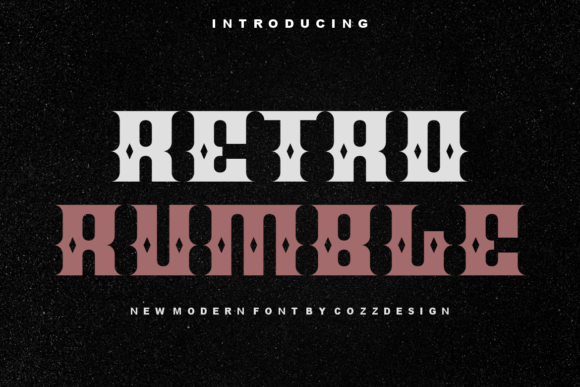
Retro Rumble is a display font that combines the nostalgic charm of vintage typefaces with contemporary design sensibilities. Its name reflects both its stylistic roots and dynamic presence on the page. The font features exaggerated strokes, playful shapes, and a slightly rugged texture that evokes the look of classic signage, movie posters, or typewritten memorabilia from past decades.
Unlike standard sans-serif or serif fonts used for body text, display fonts like Retro Rumble are specifically crafted for headlines, logos, banners, and other large-scale applications. They prioritize style and personality over legibility at smaller sizes, which means they're best suited for use cases where the primary goal is to capture attention rather than convey long passages of information.
Why Consider Retro Rumble?
Designers often seek unique tools to differentiate their work, especially in competitive fields such as branding, advertising, or web design. Retro Rumble offers a fresh take on retro-inspired typography without feeling outdated. It can be particularly appealing for:
- Projects requiring a strong visual identity with a vintage flair
- Brands targeting audiences interested in nostalgia, pop culture, or classic themes
- Creative presentations, event invitations, or promotional materials where boldness matters
The font’s high contrast and expressive characters make it ideal for creating memorable visuals. Whether you're designing a poster for a retro-themed restaurant or crafting a logo for a new music festival, Retro Rumble can help you stand out.
Benefits of Using Retro Rumble
There are several advantages to using Retro Rumble in appropriate contexts:
- Attention-Grabbing Design: With its dramatic letterforms and stylized details, this font naturally commands attention. It's perfect for headlines or titles where you want to create immediate visual interest.
- Versatile Styling: Retro Rumble includes multiple weights and alternate characters, allowing for creative flexibility. You can pair it with more subdued supporting fonts or let it shine as the sole typographic element in a layout.
- Emotional Resonance: Fonts with historical or cultural associations can evoke specific moods or eras. Retro Rumble taps into the aesthetic of the mid-20th century, which many people associate with creativity, rebellion, or simplicity—depending on the context.
- Compatibility with Modern Tools: Designed for digital use, Retro Rumble works well across various platforms and software, including Adobe Creative Suite, Figma, Canva, and web-based applications. It supports a broad range of languages and special characters, enhancing its usability for international projects.
Potential Tradeoffs and Limitations
While Retro Rumble has many strengths, it also comes with certain limitations that should be carefully evaluated before implementation:
- Readability Concerns: As a display font, Retro Rumble may not be suitable for body text or any content that needs to be read quickly at a glance. Its intricate details can become distracting when used inappropriately.
- Color and Background Sensitivity: The font's high contrast and textured appearance mean it may not always render cleanly in all color combinations or on certain backgrounds. Testing different layouts is essential to ensure legibility and visual harmony.
- Licensing Restrictions: Depending on the license you purchase, there may be limitations regarding commercial use, redistribution, or embedding in web projects. Always review the terms before integrating it into a production environment.
Additionally, because of its bold and unconventional style, Retro Rumble might not align with every brand or project. For minimalist or corporate designs, a more restrained typeface could be a better fit.
Situations Where Retro Rumble Excels
Retro Rumble is most effective when used in the following scenarios:
- Logos and Branding: Its striking visual appeal makes it an excellent choice for logos that need to leave a lasting impression. It pairs well with simple, clean supporting elements to balance the overall design.
- Event Posters and Invitations: Whether promoting a vintage car show, a retro concert, or a themed party, Retro Rumble adds an authentic and eye-catching touch.
- Print Media and Packaging: The font’s tactile quality translates well to print, where it can enhance product packaging, book covers, or magazine headers.
- Web Banners and Social Media Graphics: When used in larger formats online, it helps draw users’ eyes and reinforces brand messaging effectively.
When to Consider Alternatives
Despite its strengths, there are situations where Retro Rumble may not be the best choice:
- Long-Form Text: If your design requires extensive reading, such as articles, reports, or e-books, opt for a more readable typeface. Retro Rumble is not optimized for such use cases.
- High Accessibility Requirements: Projects aimed at diverse audiences, especially those with accessibility needs, should consider fonts that offer clearer letterforms and consistent spacing. Retro Rumble’s stylized nature may hinder readability for some users.
- Corporate or Formal Environments: In professional settings like financial reports, legal documents, or business proposals, a traditional serif or sans-serif font will likely be more appropriate and trustworthy.
- Mobile Displays: Due to screen size constraints, highly decorative fonts can sometimes lose clarity on mobile devices. Always preview how Retro Rumble appears on smaller screens before finalizing your design.
For these reasons, it’s wise to explore alternatives if your project doesn’t align with the font’s core attributes. Other display fonts such as Bebas Neue, Rockwell, or Cinzel may provide similar impact but with different stylistic nuances or improved legibility in certain contexts.
Practical Tips for Working with Retro Rumble
To get the most out of Retro Rumble, consider the following best practices:
- Use Sparingly: Limit the font to key visual elements like headlines, logos, or call-to-action buttons. Avoid using it for extended text or background copy.
- Pair Thoughtfully: Combine Retro Rumble with complementary fonts to maintain balance. A neutral sans-serif or a refined serif font can serve as a great partner for subheadings or body text.
- Test Across Platforms: Before finalizing your design, test how the font looks in different sizes, colors, and on various screens to ensure it remains effective and legible.
- Consider Cultural Context: The retro aesthetic resonates differently across regions and industries. Ensure that the font aligns with your audience’s expectations and the tone of your message.
Is Retro Rumble Right for You?
If your project demands bold, expressive typography and you’re targeting an audience that appreciates vintage styles or dynamic visuals, then Retro Rumble is worth considering. It brings a sense of history and flair that can elevate your design and communicate your message with greater emotional impact.
However, if your goals involve clarity, minimalism, or broad accessibility, you may want to explore other options. Every font serves a purpose, and understanding that purpose is key to making informed design choices.
In summary, Retro Rumble is a powerful addition to your typography toolkit—but like any tool, it shines brightest when used in the right place, at the right time, and for the right reason. Evaluate your needs, test the font in your intended application, and decide whether its unique characteristics align with your creative vision.