What Is Retro Shadow Font and Why It’s Perfect for Groovy Designs
Retro fonts have made a powerful comeback in the design world, capturing the essence of past decades while offering modern versatility. Among these vintage-inspired typefaces, Retro Shadow stands out as a unique and expressive option. Known for its layered appearance and nostalgic charm, this font brings a sense of warmth and character to any project that needs a touch of retro flair. Whether you're creating posters, logos, websites, or social media content, understanding what makes Retro Shadow special can elevate your design game.
The Essence of Retro Shadow: A Layered Display Font
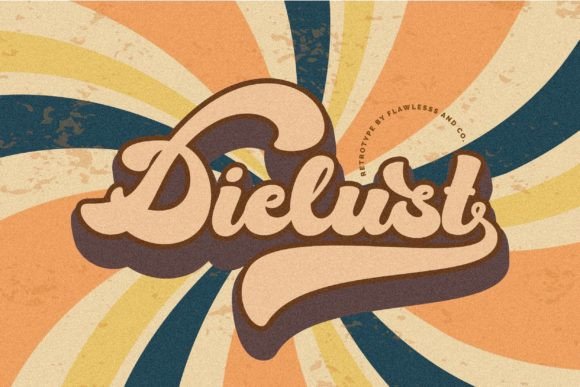
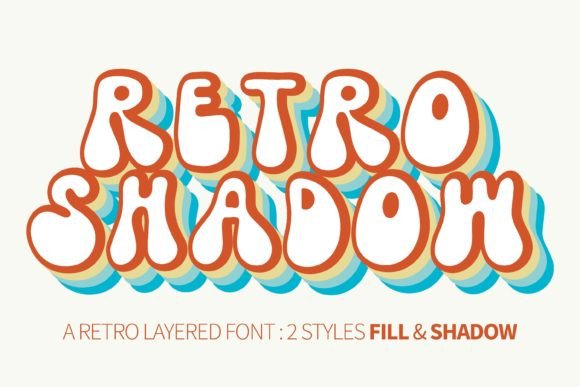
Retro Shadow is a retro layered display font, which means it was designed with visual depth and texture in mind. Unlike standard text fonts used for body copy, display fonts are typically used for headlines, titles, and other prominent text elements. They often feature exaggerated styles, such as bold strokes, ornate details, and—most notably in this case—shadowing effects that give the illusion of depth.
The "layered" aspect of Retro Shadow refers to how the font mimics multiple layers of ink or paint stacked on top of one another. This gives it a rich, textured look reminiscent of hand-painted signs from the 60s and 70s. The shadow effect adds dimension, making each letter feel like it's been crafted with care rather than simply typed out.
Why the Layered Style Matters
- Visual Interest: In a digital landscape filled with sleek, minimalist fonts, Retro Shadow offers something different—character and personality.
- Historical Connection: The font evokes the aesthetics of the past, especially the psychedelic era and the counterculture movement of the 60s and 70s.
- Unique Branding: For businesses or creatives aiming to stand out, using a retro layered font like Retro Shadow can help create a memorable visual identity.
Who Uses Retro Shadow? And Why?
Retro Shadow is particularly popular among designers working in niches where nostalgia plays a key role. Here are some common use cases:
1. Hippie and Counterculture Design
If you're designing for a brand or event that celebrates the free-spirited vibe of the 60s and 70s, Retro Shadow is an excellent choice. Its groovy style fits perfectly with themes like tie-dye patterns, peace signs, and festival culture. Think of it as the typography equivalent of bell-bottom jeans and lava lamps—it just screams “vintage cool.”
For example, a music festival promoting folk and psychedelic bands might use Retro Shadow for their main banners and promotional materials. The font helps set the tone and instantly connects the audience to the desired aesthetic.
2. Vintage-Inspired Marketing Campaigns
Many brands today are tapping into retro trends to evoke emotional connections with their audiences. Retro Shadow can be used in print ads, packaging designs, and even web banners to give products a classic, artisanal feel. This is especially effective for craft breweries, boutique clothing stores, and indie record labels.
Imagine a label on a handmade jam jar with a logo styled in Retro Shadow. It doesn’t just say “homemade”—it sells the idea of authenticity and tradition through typography alone.
3. Social Media and Digital Content
In the age of Instagram influencers and TikTok trends, visual storytelling is everything. Retro Shadow allows creators to add a vintage twist to their captions, headers, and video overlays. It works well in travel blogs, fashion reels, and lifestyle content that wants to blend old-school charm with modern platforms.
One practical tip: pair Retro Shadow with muted color palettes and grainy filters to enhance the retro feel. This combination can transform a simple post into a throwback masterpiece.
Understanding the Purpose and Significance of Retro Fonts
Fonts aren't just about readability—they also serve as a powerful communication tool. Typography influences perception, sets the mood, and can even affect user behavior on websites and apps. That’s why choosing the right font is crucial, especially when you want to convey a specific message or emotion.
Retro fonts, including Retro Shadow, tap into the collective memory of people who grew up during those eras. For others, they offer a romanticized view of a time associated with creativity, rebellion, and artistic expression. As a result, these fonts can be incredibly effective at building an emotional connection with the viewer.
The Role of Nostalgia in Modern Design
Nostalgia is a potent force in marketing and branding. Studies show that consumers respond positively to familiar visuals, as they trigger feelings of comfort and trust. Retro Shadow leverages this by offering a font that feels both authentic and approachable.
But nostalgia isn’t just for baby boomers. Younger generations are increasingly drawn to vintage aesthetics, whether it’s through thrift shopping, vinyl records, or analog photography. By using a font like Retro Shadow, designers can appeal to a broader audience and bridge generational gaps through shared visual language.
Practical Tips for Using Retro Shadow Effectively
While Retro Shadow is visually striking, it’s not always the best choice for every project. Here are some guidelines to help you make the most of this font:
1. Use It Sparingly
Because of its bold and decorative nature, Retro Shadow should be reserved for headlines or short phrases. Overusing it can lead to clutter and reduce legibility. Always consider the hierarchy of information in your design and ensure the font enhances rather than distracts from it.
2. Pair It with Complementary Styles
To create balance, try pairing Retro Shadow with a simpler sans-serif or serif font for body text. This contrast ensures your message is both eye-catching and easy to read. For instance, a website headline in Retro Shadow could be followed by a clean, modern font like Helvetica or Open Sans.
3. Experiment with Color and Backgrounds
Retro Shadow looks great in earthy tones like olive green, mustard yellow, and deep brown. These colors reinforce the vintage vibe. However, don’t be afraid to experiment with gradients or distressed textures for added impact. A faded background or subtle noise overlay can make the font appear even more handcrafted.
4. Consider Readability
Though it’s stylish, Retro Shadow may not be ideal for long paragraphs or small text sizes. Make sure to test it across different devices and screen resolutions to confirm it remains legible and accessible. If needed, simplify the design by reducing the shadow intensity or adjusting spacing.
Common Misunderstandings About Retro Fonts
Despite their popularity, retro fonts like Retro Shadow are sometimes misunderstood. Let’s clarify a few myths:
- Misconception #1: Retro Fonts Are Only for Old People
- Misconception #2: Retro Fonts Can’t Be Used Professionally
- Misconception #3: All Retro Fonts Look the Same
Retro Shadow in Everyday Creativity
Creativity is everywhere, and the right tools can make all the difference. Retro Shadow is a versatile font that can inspire creativity in various aspects of daily life, from personal projects to business branding.
Personal Projects
Whether you’re making a birthday card, scrapbooking, or designing a home decor item, Retro Shadow can add a fun, personalized touch. Its playful yet sophisticated style makes it suitable for handwritten-style messages and artistic compositions alike.
Business Branding
For small businesses looking to carve out a unique identity, Retro Shadow can be a game-changer. Coffee shops, art galleries, and boutique stores often use it in their logos and signage to attract attention and create a distinctive brand image.
Education and Presentations
Teachers and educators can use Retro Shadow to make presentations more engaging, especially when covering topics related to history, culture, or art. It can also be useful in creating educational posters or classroom decorations that reflect a particular theme or time period.
How Retro Shadow Fits Into the Digital Age
At first glance, a retro font might seem out of place in our high-tech world. But in reality, it serves as a reminder that design is as much about storytelling as it is about function. Retro Shadow has found a home in both print and digital media, proving that vintage aesthetics can thrive in the modern context.
On the web, Retro Shadow can be used with CSS to animate or stylize text dynamically. You can adjust the opacity of the shadows, add hover effects, or even integrate it into SVG graphics for interactive experiences. This adaptability makes it a favorite among web designers who want to inject personality into their sites without compromising usability.
In mobile app design, Retro Shadow can be employed in UI elements like buttons or splash screens. When used correctly, it adds charm without overwhelming the user interface. Just be mindful of contrast and clarity—especially on smaller screens.
Conclusion: Embrace the Groove with Retro Shadow
Retro Shadow is more than just a font—it's a design statement. With its layered, shadowed letters and unmistakably groovy style, it’s perfect for anyone wanting to bring a touch of retro magic into their work. From hippie-themed posters to vintage-inspired branding, this font bridges the past and present, making it a valuable asset in today’s creative landscape.
As you explore the possibilities of Retro Shadow, remember to balance style with functionality. Use it in ways that enhance your message and connect with your audience. And if you're ever unsure whether a retro font will fit your project, start by asking: does it tell the story I want to share?
Want to see more examples of how Retro Shadow can transform your design? Check out online portfolios or download the font directly from trusted platforms like Fonts.com or DaFont. Start experimenting today and let the retro vibes shine through your work!